Available now at beta.photoephemeris.com with multiple improvements to the solar eclipse simulator - full details below.
The main takeaways are:
- It’s MUCH faster when you have Baily’s beads enabled, even at full resolution
- Beads, chromosphere and corona are now shown even for observers just outside the central path - an important enhancement for advanced eclipse chasers
- The simulator now behaves much like we photographers would - filter on for partial, off just before C2 (timing based on your chosen obscuration threshold), then on again after C3
- You can choose from three different solar filter types (Baader, NISI Nano Pro, Thousand Oaks Optical)
-
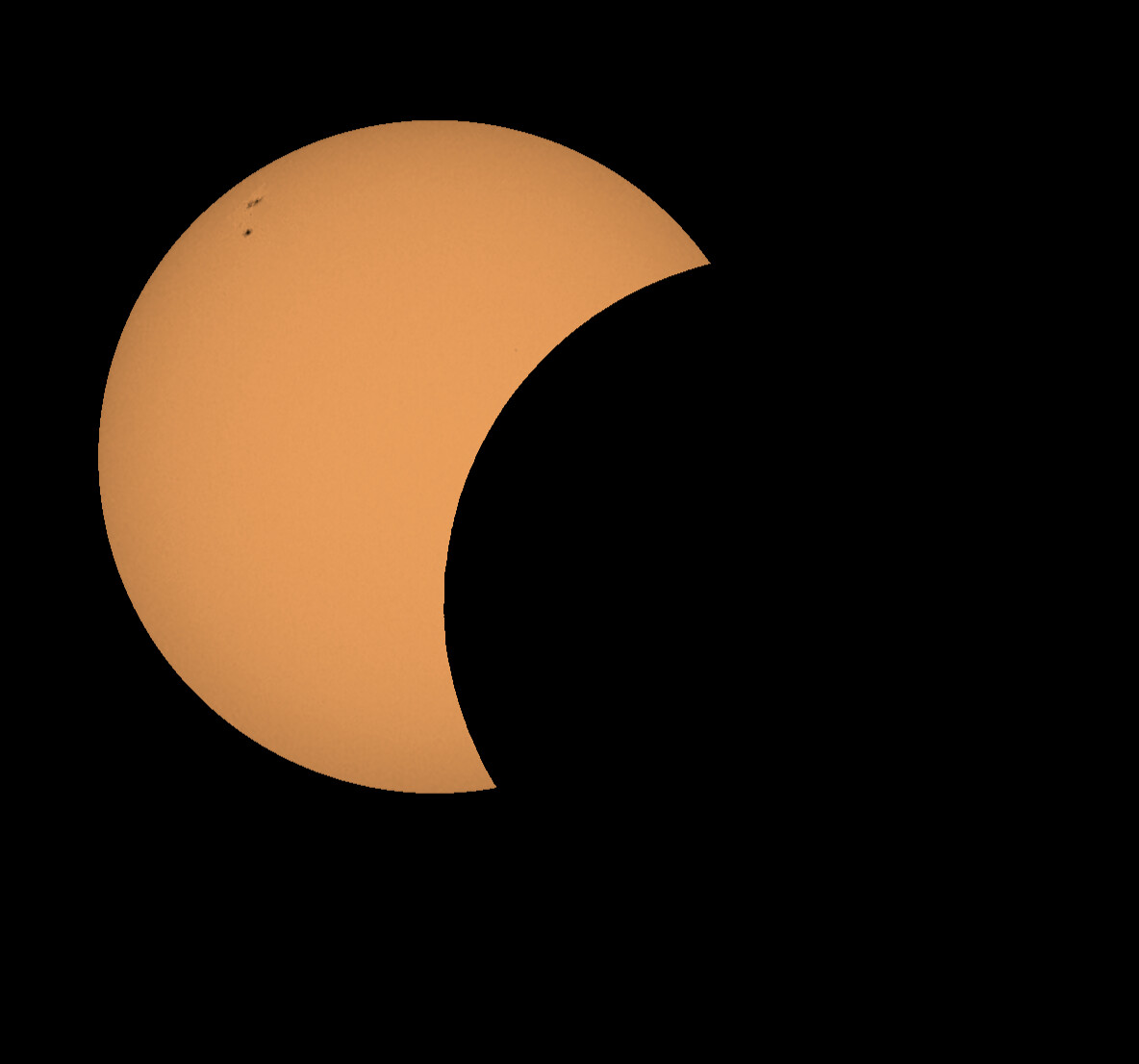
Solar Filter Selector: New UI control to choose between different solar filter color simulations (Default, Nisi Pro Nano, Baader AstroSolar, Thousand Oaks Optical)
-
Obscuration Threshold Selector: New UI control to configure when the simulated solar filter is removed, with options from 99.99% to 99.5% obscuration
-
Warning indicator: Yellow warning icon appears when obscuration threshold is set below 99.9% to remind users about camera sensor protection
-
Localized tooltips: Added tooltips for solar filter and obscuration threshold controls in all 7 supported languages
-
Improved Baily’s Beads timing: filter removal is now synchronized with Baily’s beads visibility for more realistic eclipse simulation
-
Unified beads visibility: Both total eclipse and near-path observer scenarios now use obscuration-based beads visibility
-
Exposure slider label: renamed from “Baily’s Beads” to “±EV” for clarity, as this now controls simulated exposure during totality, not just beads “flare”
-
Eclipse simulation enhancements: better chromosphere rendering, corona visibility control
-
Snappier filter transitions: Filter removal transition is now much quicker (0.00025 obscuration width) for more realistic simulation
-
Computed greatest eclipse coordinates: When viewing solar eclipse events, selecting an eclipse now computes more accurate coordinates, time, and duration using Besselian elements instead of the NASA 5MCSE lookup table data